Affordable Electric Cars Available in India Below ₹20 Lakh
Contents
- 1 Introduction: The Rise of Electric Vehicles in India
- 2 Why Buy an Electric Vehicle in 2026-2027?
- 3 Best Budget Electric Cars Below ₹20 Lakh (2026-2027)
- 4 EV Charging Infrastructure Development
- 5 Cost of Ownership Comparison
- 6 Government Incentives and Subsidies
- 7 Practical Considerations Prior to Purchase
- 8 Outlook for 2027 and Beyond
- 9 Conclusion: Should You Buy Your Electric Vehicle Now?
- 10 Frequently Asked Questions:
- 10.1 Q1. What is the time taken by these cars to be charged from home?
- 10.2 Q2. What is the real range of these EVs?
- 10.3 Q3. Are there enough charging stations for long travels?
- 10.4 Q4. How much savings can I get on annual fuel and maintenance charges?
- 10.5 Q5. What happens to the battery after 8 years of usage?
Complete Guide to Budget-Friendly EVs in 2026–2027
Introduction: The Rise of Electric Vehicles in India
The Indian automobile industry is witnessing a remarkable change. While it was once deemed impossible for the average Indian to consider purchasing an electric vehicle, EVs have become a realistic choice with government efforts in this direction, declining prices, and stiff competition among manufacturers.
However, the current scene has undergone a drastic change since a few years back. The previously high costs associated with EVs that made them out of reach for the average Indian consumer are no more. Now, one can buy a completely new electric vehicle in India below ₹20 lakh. In this article, we will look at some of the best affordable electric vehicles you should consider in the Indian market this year, their features, benefits, and whether they make sense to invest in.
There was a rise of 40% in the demand for EVs in India in 2025-2026, with affordable variants accounting for 60% of all EVs sold in that period.
Why Buy an Electric Vehicle in 2026-2027?
The shift from ICE vehicles to electric cars is no longer solely an environmental move; however, it is an important reason. Some of the reasons for choosing electric cars are:
- Reduced Running Expenses : Fuel consumption is up to 80-90% cheaper compared to gasoline.
- No Pollutants: Help create clean skies and a smaller carbon footprint for your community.
- Superior Driving Experience : Immediate torque delivery with seamless acceleration starting from the first pedal push.
- Government Subsidies: Eligible for tax breaks, subsidies, and lower registration costs in numerous jurisdictions.
- Advanced Smart Features: Integration with mobile apps and sophisticated driver support systems.
- Upgraded Batteries : Current batteries provide more than 400 kilometers of range with increased durability and reliability.
Best Budget Electric Cars Below ₹20 Lakh (2026-2027)
Tata Nexon EV Prime
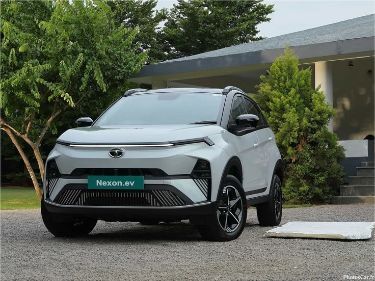
Tata Nexon EV Prime
₹14.5 – ₹16.8 Lakh
Range: 440 km (WLTP)
Battery: 45 kWh lithium-ion
Charging Time: 8-10 hours (home charger), 30 minutes (fast charger)
Key Features: 7-inch touchscreen, automatic headlamps, climate control, ABS with EBD
Warranty: 8 years/200,000 km battery warranty
Mahindra XUV400
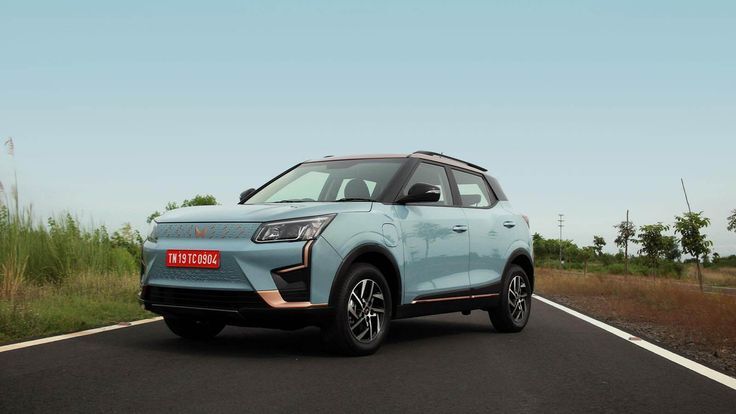
Mahindra XUV400
₹15.2 – ₹17.5 Lakh
Range: 456 km (ARAI)
Battery: 40 kWh lithium-ion
Charging Time: 7-9 hours (home charger)
Key Features: 8-inch touchscreen, cruise control, all-wheel disc brakes, dual airbags
Warranty: 8 years/160,000 km battery warranty
BYD Atto 3 (Yuan Plus)
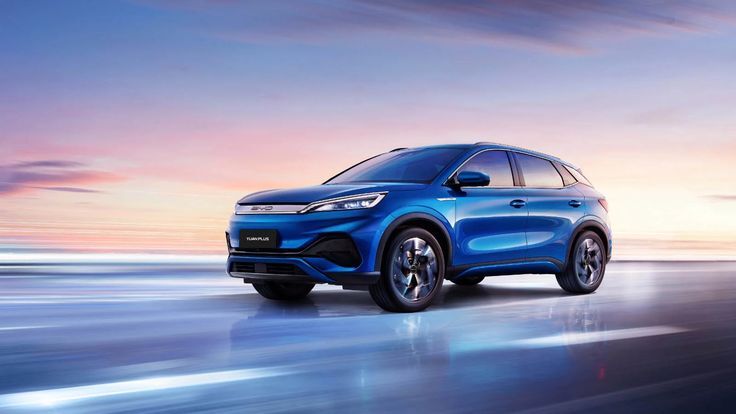
BYD Atto 3
₹16.8 – ₹18.9 Lakh
Range: 430 km (CLTC)
Battery: 44.9 kWh Blade battery
Charging Time: 9-11 hours (home charger)
Key Features: 10.25-inch touchscreen, panoramic sunroof, power windows, rear parking sensors
Warranty: 8 years/160,000 km battery warranty
Hyundai Kona Electric
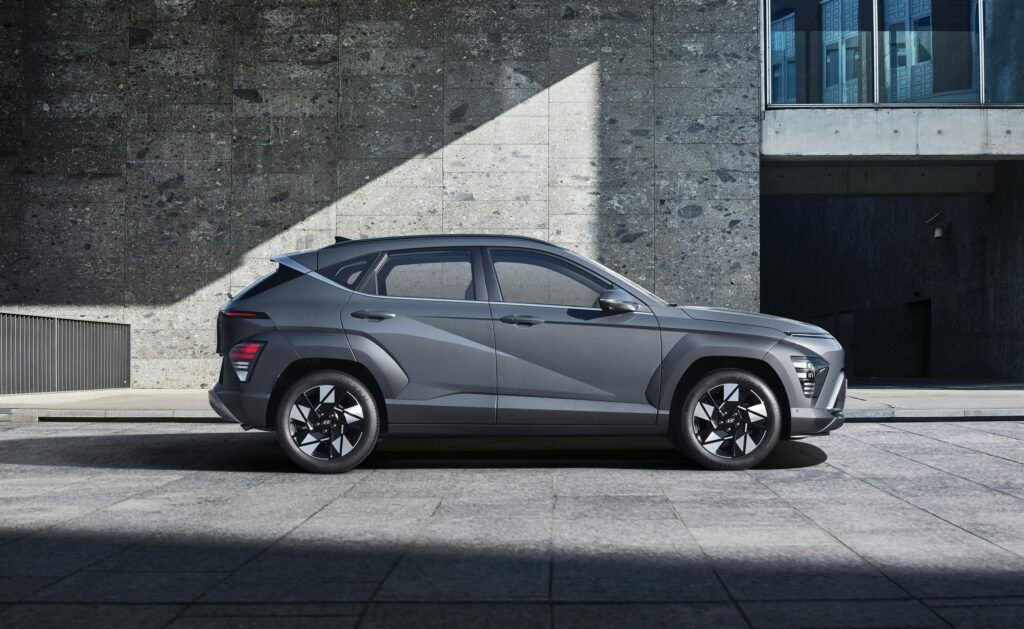
Hyundai Kona Electric
₹17.5 – ₹19.2 Lakh
Range: 452 km (WLTP)
Battery: 39.2 kWh lithium-ion
Charging Time: 6 hours (fast charger)
Key Features: 8-inch touchscreen, automatic climate control, cruise control, touchscreen with navigation
Warranty: 8 years/160,000 km battery warranty
Citroen eC3
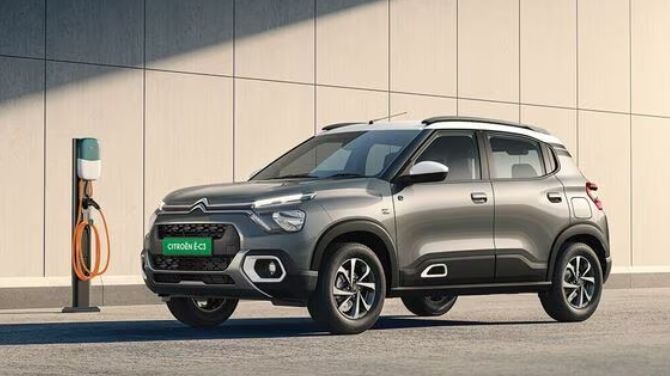
Citroen eC3
₹13.9 – ₹15.8 Lakh
Range: 320 km (WLTP)
Battery: 30.2 kWh lithium-ion
Charging Time: 8 hours (home charger)
Key Features: 7-inch touchscreen, power steering, front power windows, rear parking sensors
Warranty: 8 years/160,000 km battery warranty
EV Charging Infrastructure Development
Another major issue that has plagued EV buyers is the development of charging infrastructure, but the period from 2026-2027 will be a critical milestone. India already has more than 50,000 charging stations installed in its big cities, highways, and tier-2 cities. Major milestones in the development of EV charging infrastructure include:
- The availability of fast charging stations (DC charging)
- Home EV charging facilities with subsidized installations
- Corporate office locations providing workplace charging facilities
- Select cities offering battery swapping facilities
- Inter-operable standardized charging connectors
Cost of Ownership Comparison
Let’s compare the total cost of ownership (TCO) of an electric car versus a traditional petrol car over 5 years:
| Cost Category | Electric Car (₹15 Lakh) | Petrol Car (₹15 Lakh) |
|---|---|---|
| Purchase Price (after incentives) | ₹13.5 Lakh | ₹15 Lakh |
| 5-Year Fuel/Electricity Cost | ₹1.2 Lakh (6,000 km/year) | ₹4.8 Lakh (6,000 km/year) |
| Maintenance (5 years) | ₹0.5 Lakh | ₹2 Lakh |
| Insurance (5 years) | ₹2 Lakh | ₹2.2 Lakh |
| Total 5-Year TCO | ₹17.2 Lakh | ₹24 Lakh |
Government Incentives and Subsidies
The Indian government remains committed to EV promotion through various initiatives:
Central Government Incentives:
- FAME-II scheme providing subsidies up to ₹1.5 lakh on EVs under ₹20 lakh
- GST cut to 5% on electric cars (was 12% on petrol cars)
- No road tax in most states
- Reduced registration cost and zero vehicle tax in several states
Practical Considerations Prior to Purchase
Although electric cars are highly beneficial, some important considerations are listed below:
- Range and Driving Pattern
Most budget electric cars provide an autonomy of 300-450 km. You need not worry about the car being unable to cover the distance if your daily drive doesn’t exceed 100 km with occasional weekend drives. However, for people who frequently make cross-country drives, it is advisable to go for extended capacity batteries. - Facilities for Charging at Home
Having a parking space where one can charge the EV is vital. Those living in apartments and lack a private parking space must ensure that such facilities exist in their residential complex prior to purchase. - Resale Potential and Depreciation
EVs have begun appreciating in value. While premium makes like Tesla and other luxurious EVs depreciate 30-35% after 5 years, budget-friendly mainstream EVs such as Nexon EV Prime depreciate a bit less at 25-30%. - Battery Deterioration
Current-generation lithium-ion batteries maintain 85-90% efficiency after 8 years of usage. Warranties that cover battery problems offer comfort.
Outlook for 2027 and Beyond
India’s EV sector is expected to witness explosive growth. Experts foresee that EVs may account for 20-25% of all car sales (which is 8-10% at present). Some of the upcoming models are:
- Tata Punch EV – Small SUV under ₹12 lakh
- Maruti Suzuki E-Alto – Entry-level hatchback priced at ₹10-12 lakh
- BYD Yuan Plus ER – Offering a range exceeding 600km
- More budget-friendly Chinese makes – Through economies of scale
Conclusion: Should You Buy Your Electric Vehicle Now?
2026-2027 is the optimal period for buying your first EV in India. This period combines low battery prices, strong competition among companies manufacturing cars, government subsidies, and the expansion of charging infrastructure to produce the best buying experience. For individuals who can commute distances under 100 km daily; charge their vehicles at home or workplaces; have budgets of between ₹14-20 lakh; be willing to embrace new charging practices; and are eco-conscious or looking to save on expenses,
…it is not just economically feasible but also morally correct to invest in an affordable electric car.
Over time, the Indian EV market has gone through many phases before arriving at this state. From being experimental to becoming the current mainstream, all of the technology used in these cars is now well-established, making these cars competitively priced. It’s no longer a question of whether you should get an EV, but rather which model suits your needs best.
Frequently Asked Questions:
Q1. What is the time taken by these cars to be charged from home?
- Charging time by standard charger: 8 to 10 hours
- Time taken by fast charger: 5 to 6 hours
- DC fast charging time: 25 to 35 minutes to 80%
Q2. What is the real range of these EVs?
- Range on city roads: 70-80% of advertised range
- Range on highway roads: 50-60% of advertised range
- Influence of weather conditions, terrain, and driving habits
- Example: Range of Tata Nexon EV Prime
Q3. Are there enough charging stations for long travels?
- Present situation: More than 50,000 public charging stations
- Availability on highways: DC chargers installed every 50 to 100 kilometers
- Most popular charging apps discussed
- Advice for road trip planning
Q4. How much savings can I get on annual fuel and maintenance charges?
- Annual fuel savings: ₹5,700 – 7,500
- 5-year maintenance savings: ₹50,000 – 1,05,000
- Details about tax savings
- Cost-of-ownership analysis
Q5. What happens to the battery after 8 years of usage?
- Battery condition after 8 years: 85-92% efficiency
- Details about battery warranty
- Replacement cost of battery: ₹4-6 lakh
- Projected cost in future